

What is Ncat (Netcat)?
Ncat is a powerful and flexible networking tool used for debugging, monitoring, and transferring data over TCP/IP connections. It is a modern replacement for traditional Netcat, developed and maintained as part of the Nmap Project.
Ncat supports encryption (SSL/TLS), IPv6, connection brokering, and port forwarding, making it suitable for both interactive command-line use and automation scripts. It is available on all major platforms, including Windows, Linux, and macOS, and is widely used by system administrators, DevOps engineers, and security specialists.

Install Ncat on Windows (via Nmap)
To install Ncat on Windows, you need to install the Nmap package, which includes Ncat as one of its components:
- Login to your server with administrative privileged user;
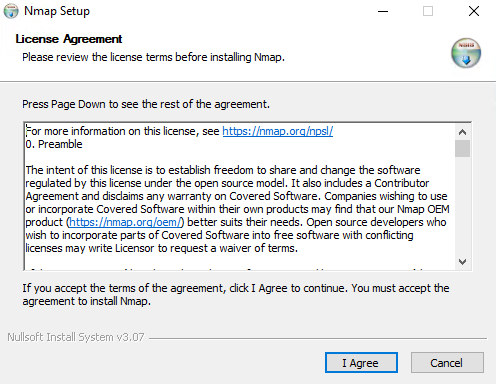
- Download the installer and run it. Accept the EULA;
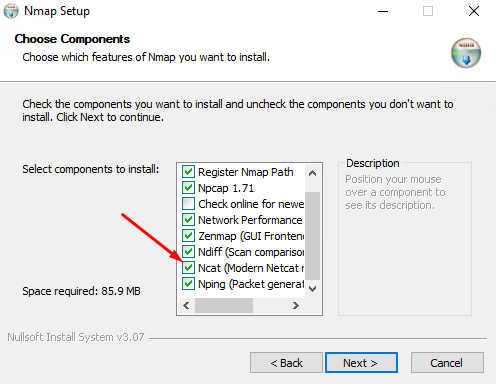
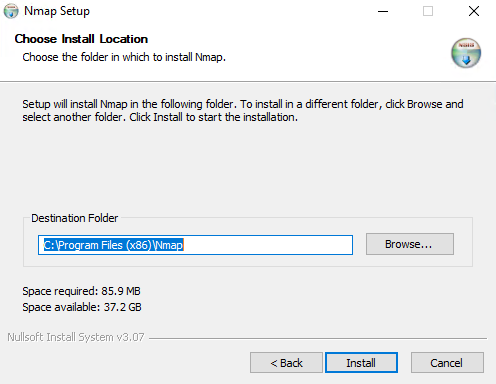
- Tick the Ncat tool. You may also tick other utilities if you need it. Then choose install destination, click Install and wait a little;
- Run cmd terrminal and check ncat version;
ncat -v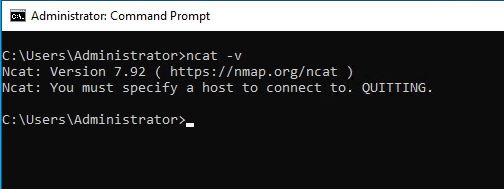
Checking example
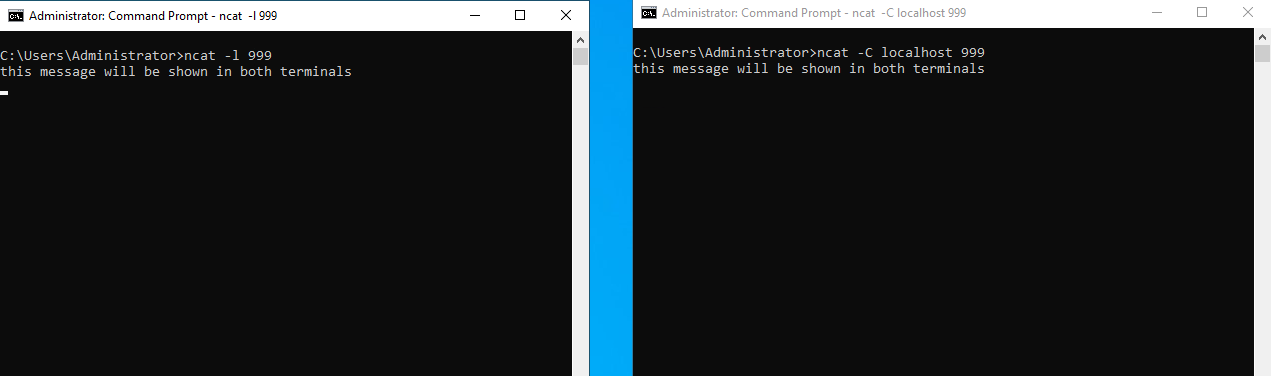
To check ncat is really working, open two terminal windows.
- On the first window run:
ncat -l <any_port>- On the second window run:
ncat -C localhost <choosen_port>You can "chat" between the windows:
Install Ncat on Linux (Ubuntu example)
Setup process on Linux (Ubuntu 20.o4 as example is very simple. Just complete this instruction:
- Authorize as privileged user and run installation command;
apt-get updateapt-get install -y nmapVerify installation:
ncat -v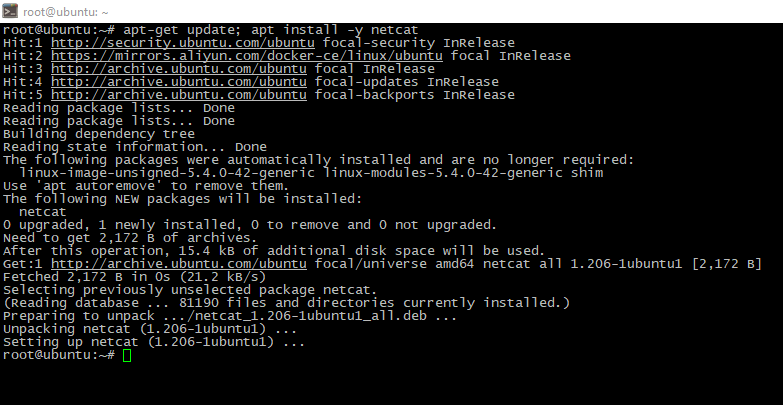
Using example the same - open two terminal windows and run these commands:
ncat -l 1234ncat -C localhost 1234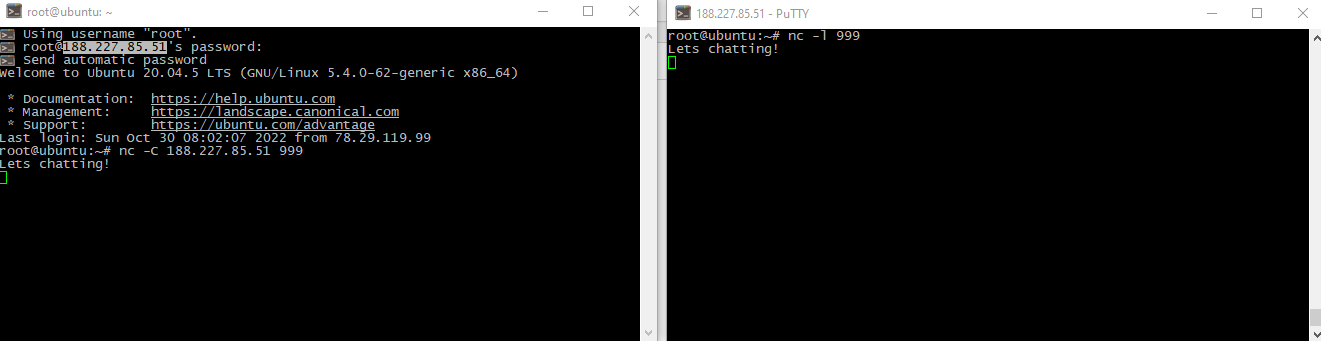
Conclusion
In this article, we covered how to install and use Ncat on Windows and Linux, including verification and basic communication examples. As a modern replacement for traditional Netcat, Ncat offers additional security features, encryption, and cross-platform compatibility.
Whether you’re testing network connections, debugging services, or transferring data, Ncat remains a versatile and lightweight tool for system administrators and network engineers.
FAQ: Ncat Tool
- Q1: What is the difference between Ncat and Netcat?
Ncat is a modern implementation of Netcat, offering enhanced features such as SSL support, IPv6, connection brokering, and improved security. It is developed as part of the Nmap project and is cross-platform, while traditional Netcat versions may be more limited. - Q2: Is Ncat included in the Nmap installation?
Yes. When you install Nmap, Ncat is typically included as an optional component. During installation, make sure the "Ncat" checkbox is selected. - Q3: What can I use Ncat for?
Ncat is commonly used for port scanning, data transfer, port forwarding, remote administration, and simple chat between systems via TCP or UDP. It's a versatile tool for network diagnostics and scripting. - Q4: Can I use Ncat instead of SSH or Telnet?
In simple use cases, yes — Ncat can establish encrypted connections and remote shells, but it lacks the full authentication and session management capabilities of SSH. It's useful for quick setups, testing, or automation scripts. - Q5: What if ncat command is not found after installation?
Ensure the Nmap directory is in your system's PATH environment variable. On Windows, you can re-run the installer and check that Ncat was selected. - Q6: Does Ncat support encrypted connections?
Yes. Ncat supports SSL/TLS encryption, allowing you to create secure encrypted connections between hosts, unlike many traditional Netcat implementations.